Views: 5 Author: Site Editor Publish Time: 2026-03-23 Origin: Site


When engineers say "regular battery", they usually mean alkaline or nickel-based cells. The difference between those and a lithium battery is not just chemistry on a datasheet - it changes how a device is designed, how long it runs, and how it is charged. Here is what actually matters when choosing between them.
A lithium cell stores roughly three to five times more energy per gram than an alkaline cell. For portable devices this is decisive: a smart wearable or handheld terminal can run for days on a small lithium pack, where alkaline cells would make the product heavy and bulky. This is why nearly every modern rechargeable device uses lithium.
Alkaline cells start at 1.5V and sag steadily as they drain, so devices lose performance over time. Lithium-ion cells hold a stable 3.6-3.7V for most of the discharge cycle and drop sharply only near empty. Stable voltage means consistent device performance - important for medical instruments and measurement tools where accuracy depends on power quality.
Regular alkaline batteries are single-use. Lithium-ion and lithium polymer batteries survive hundreds of charge cycles. For a device used daily, rechargeable lithium quickly becomes cheaper than repeatedly buying disposables, and far more convenient for the end user.
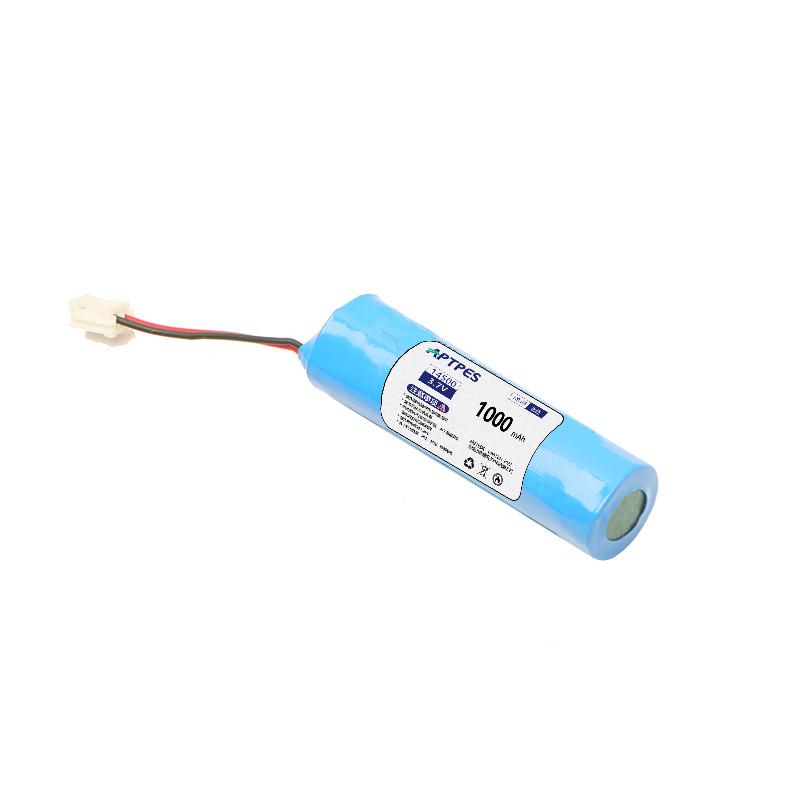
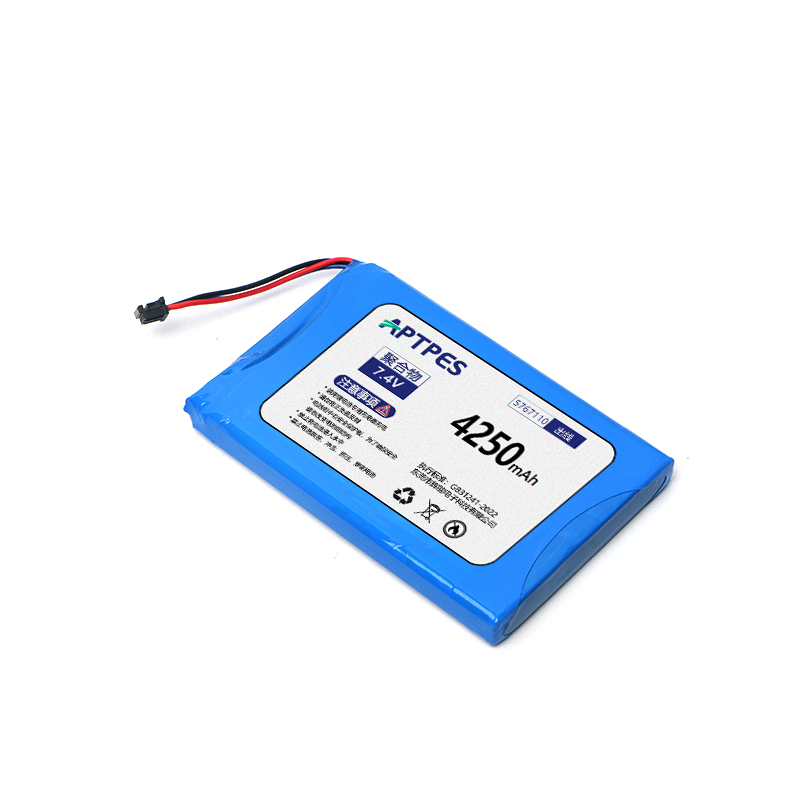
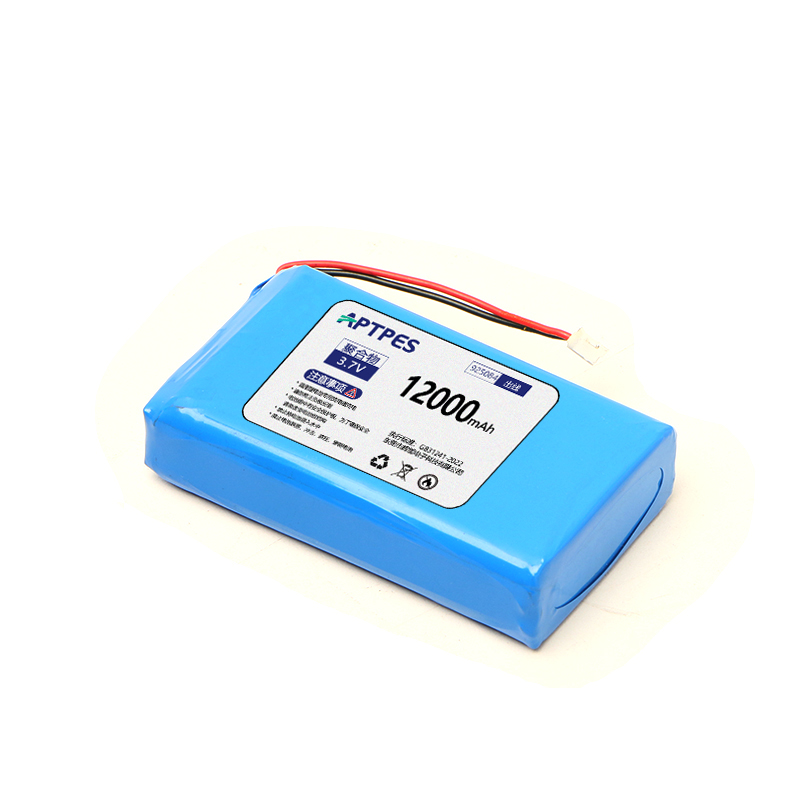
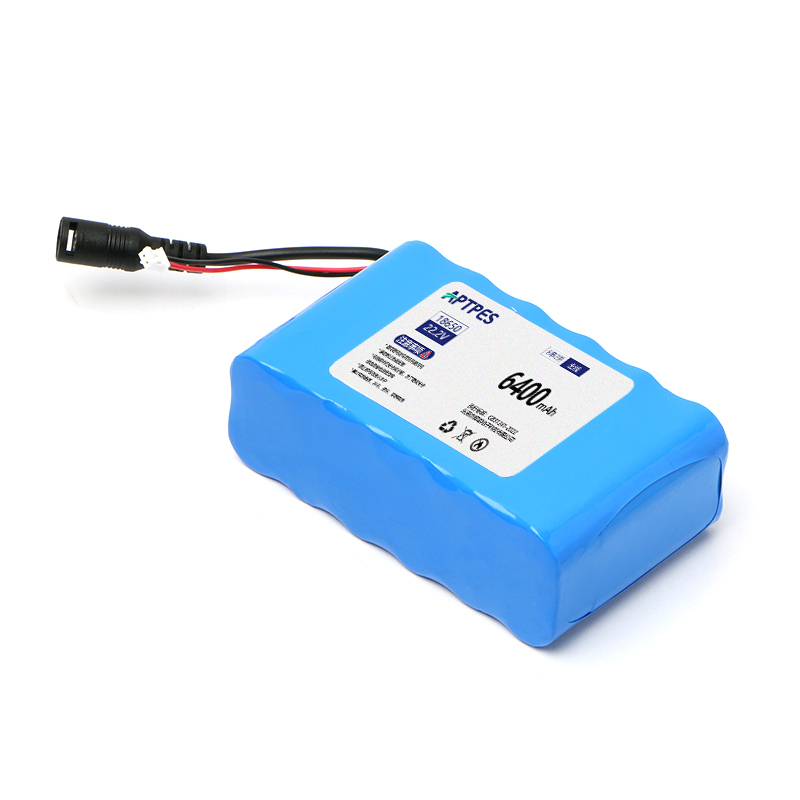
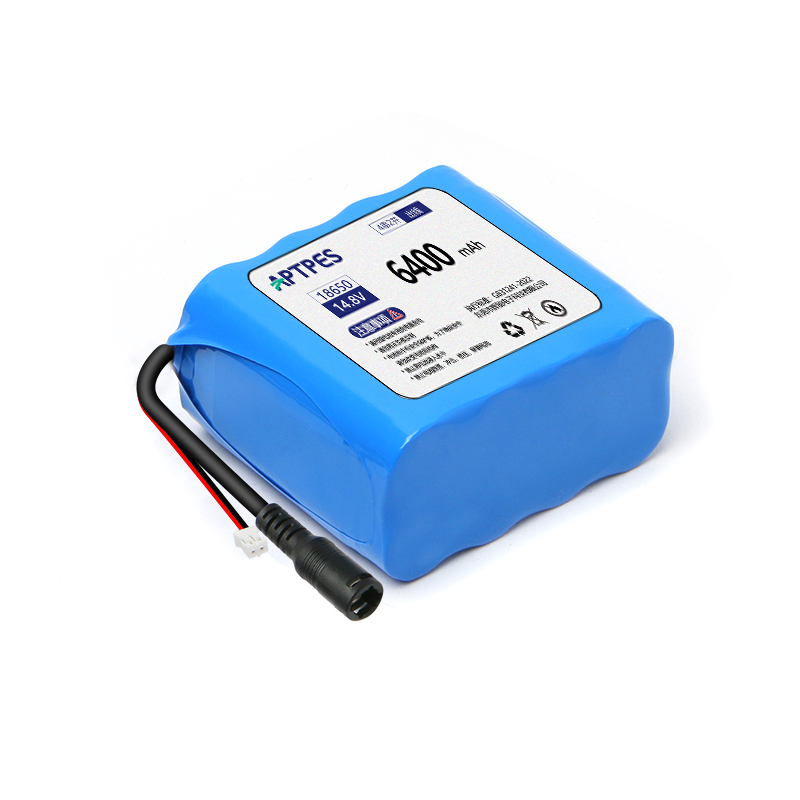
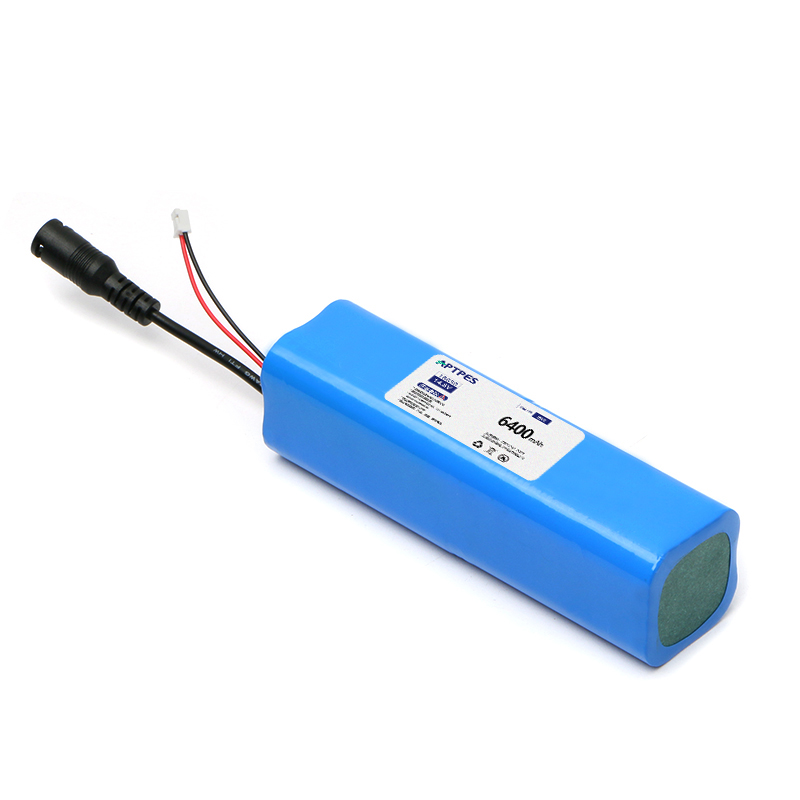
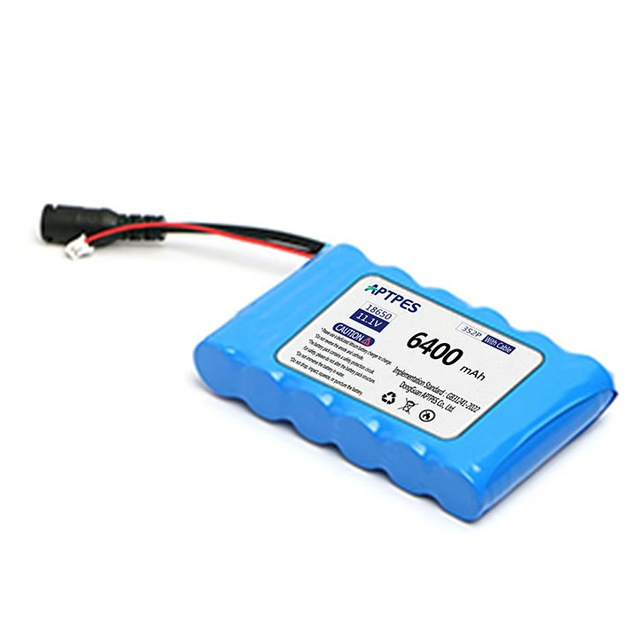
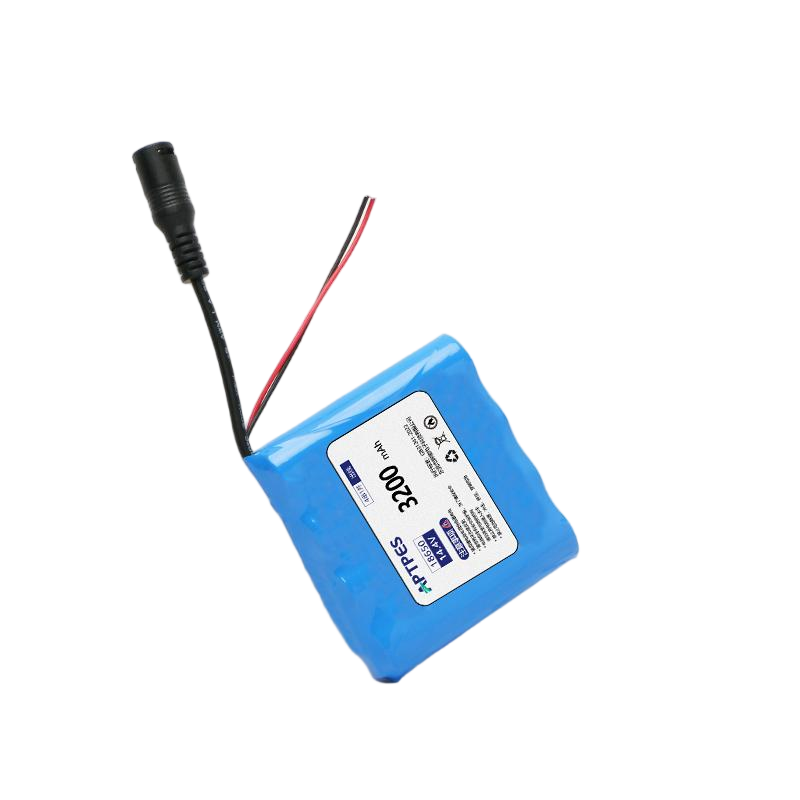
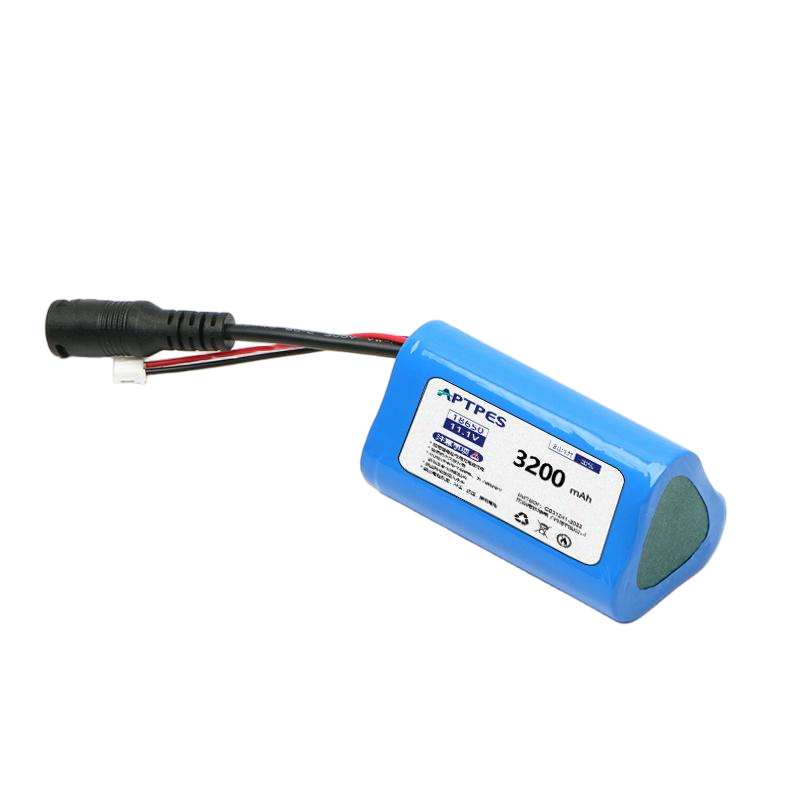
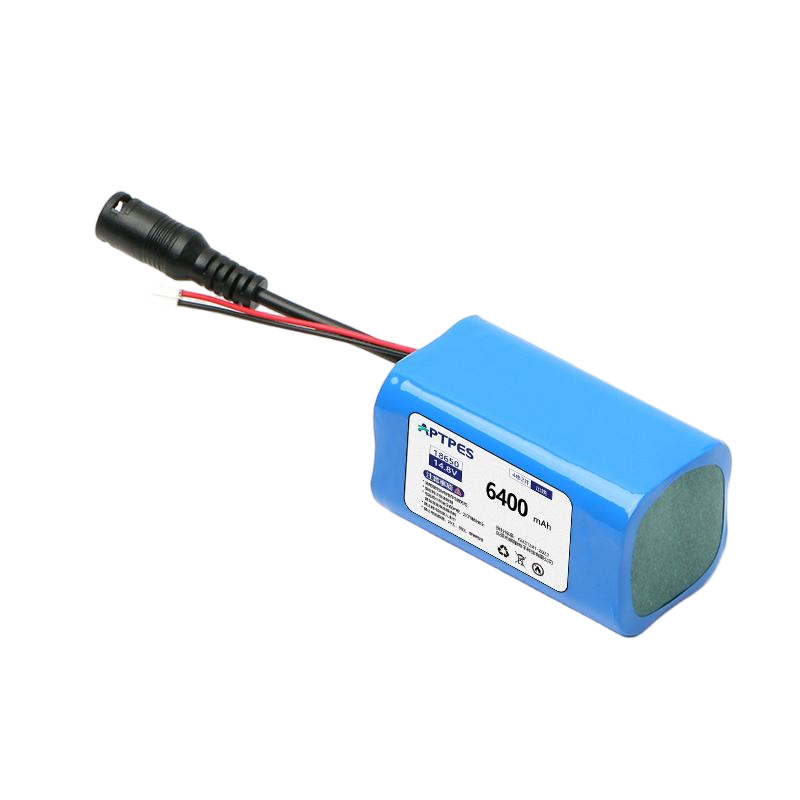
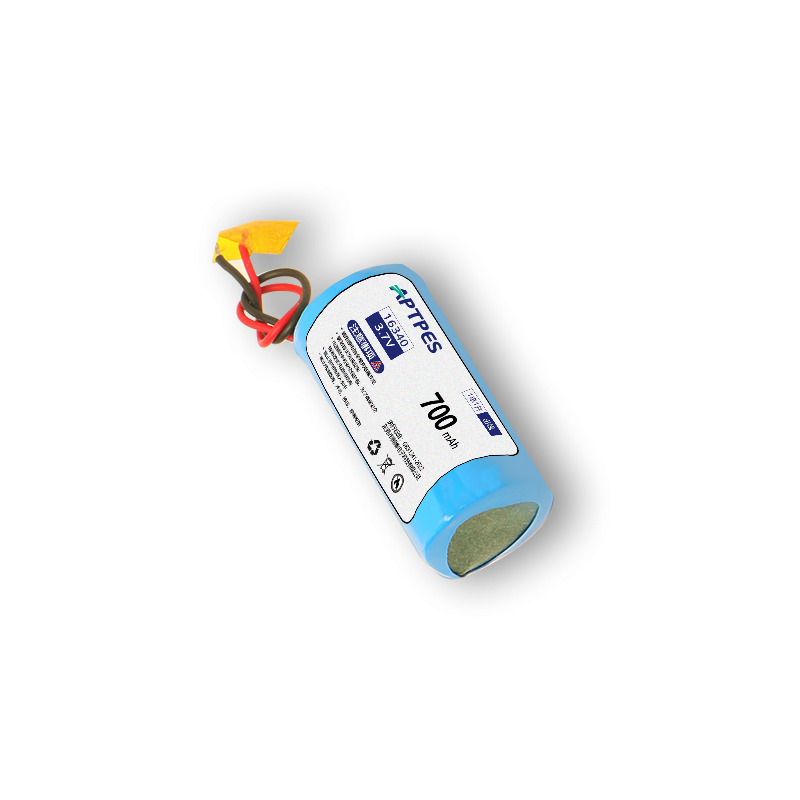
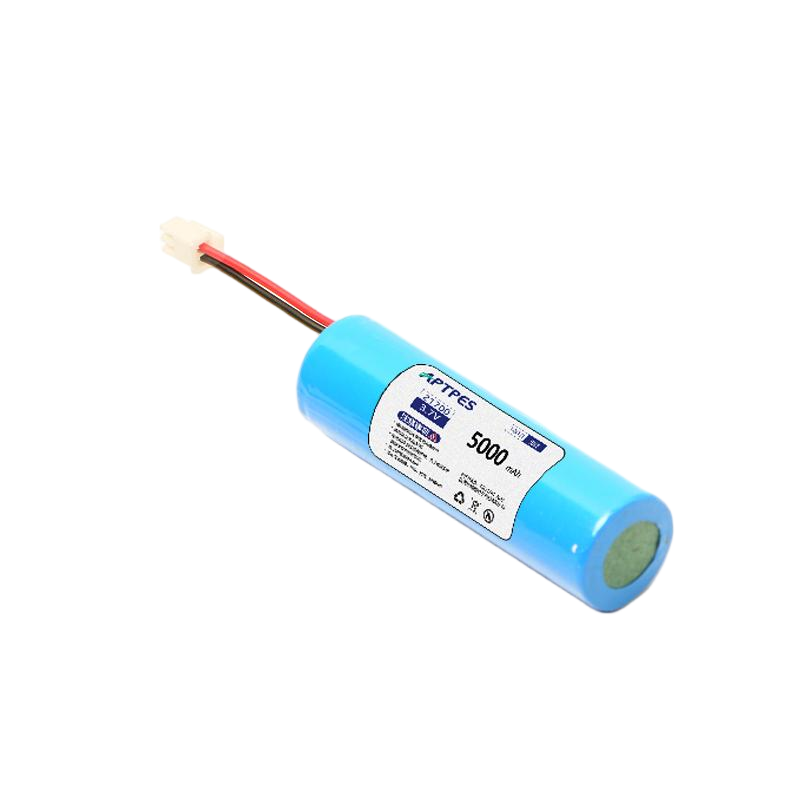
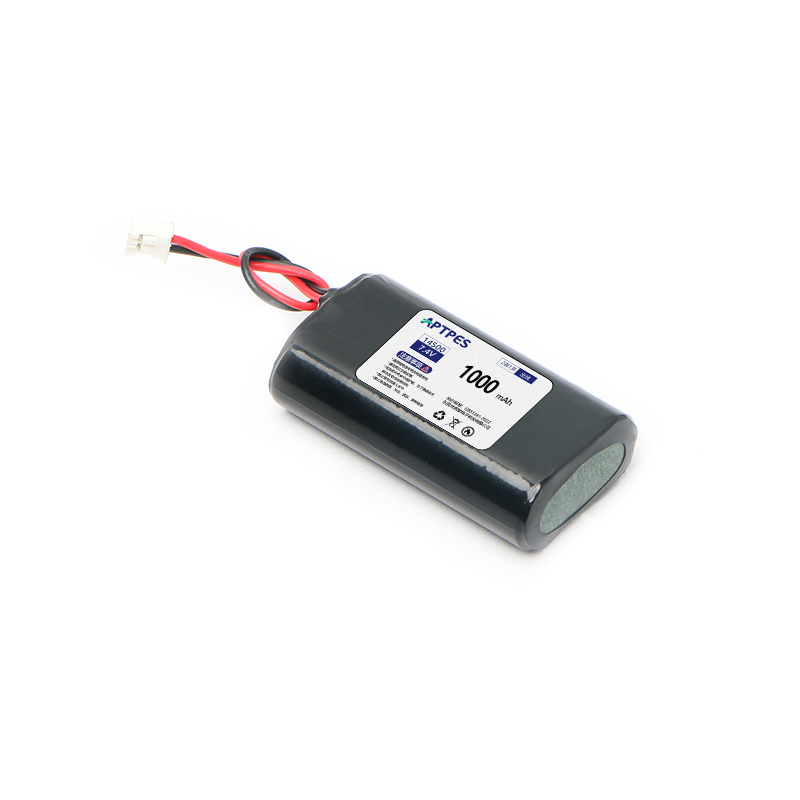
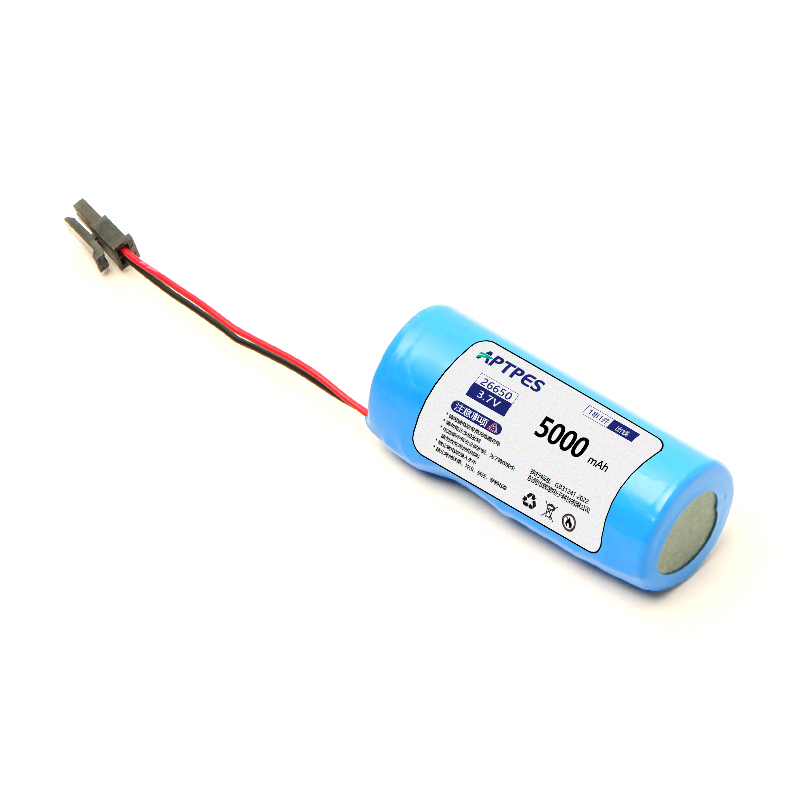
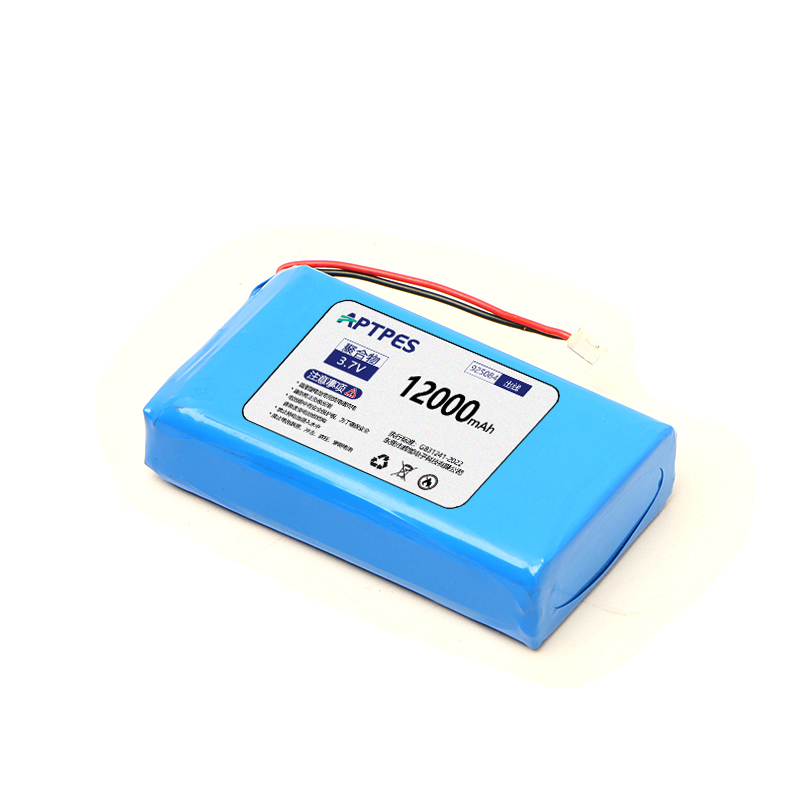
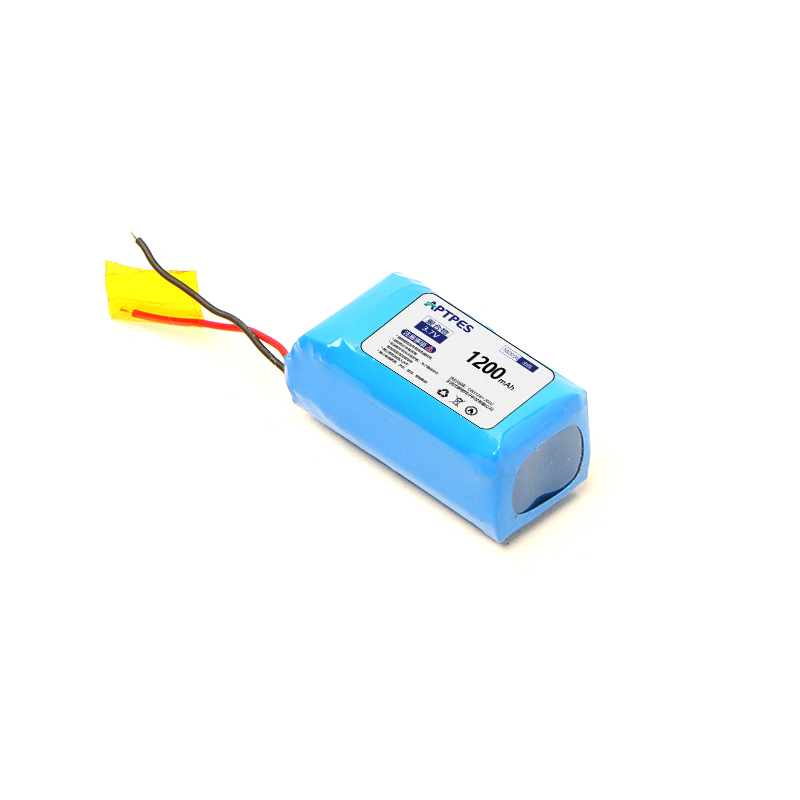
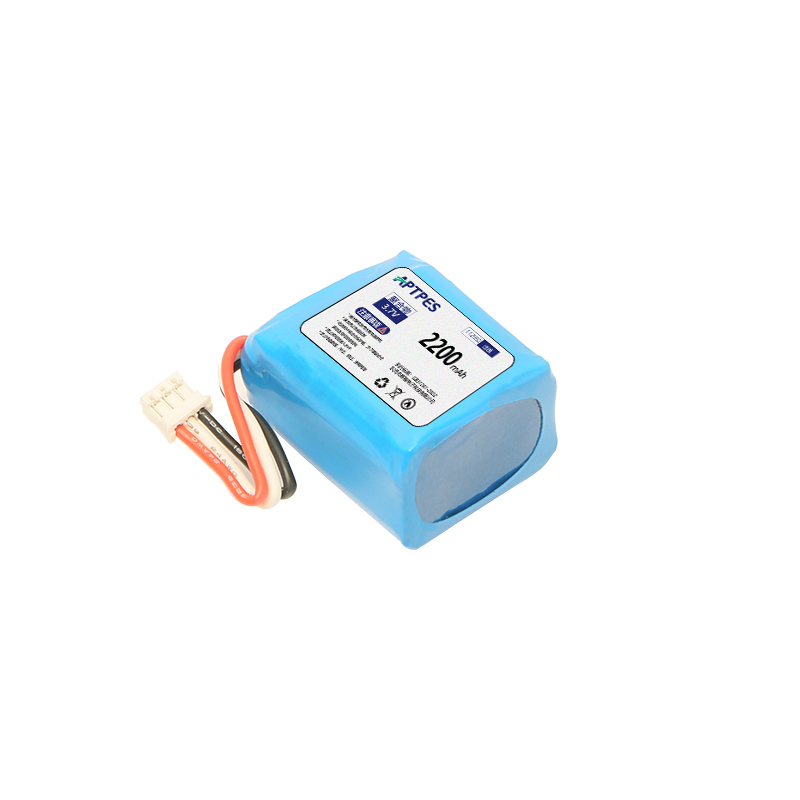
The trade-off is complexity. Alkaline cells need no electronics, while lithium batteries must have a protection circuit against overcharge, over-discharge, and short circuits, plus a proper charger. This is not optional - it is what makes lithium safe. Every APTPES pack ships with an integrated protection module matched to the cell configuration.
Choose regular batteries for low-drain, replaceable-battery products like simple remotes. Choose lithium for anything rechargeable, compact, or power-hungry. If your product sits between the two, send us your power budget and dimensions - we can show you what a lithium solution looks like for your device.