Views: 9 Author: Site Editor Publish Time: 2026-03-23 Origin: Site


Lithium batteries power everything from smart home sensors to medical equipment, yet buyers and engineers still face one recurring question: what is their biggest weakness? After more than a decade of manufacturing lithium cells, we see the answer not as a single flaw, but as a chain of challenges that begins with safety and ends with how the battery is actually used inside a device.
The most discussed problem with lithium batteries is thermal runaway - a chain reaction in which a cell overheats and can catch fire. It is usually triggered by overcharging, physical damage, internal short circuits, or poor-quality cells. For device manufacturers, this means the battery is only as safe as its weakest component: the cell, the protection circuit, and the charger must work together as one system.
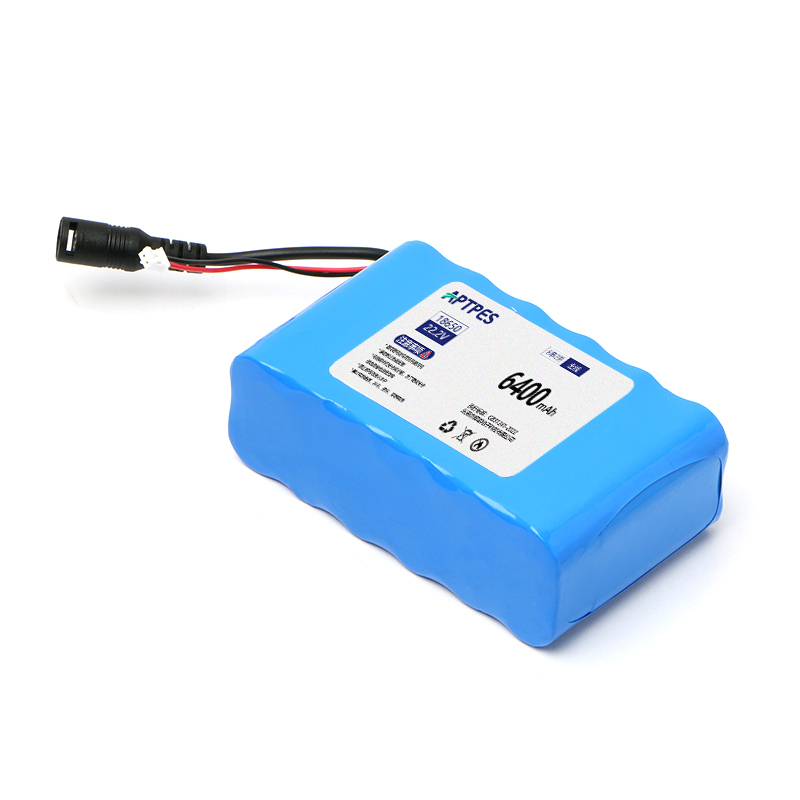
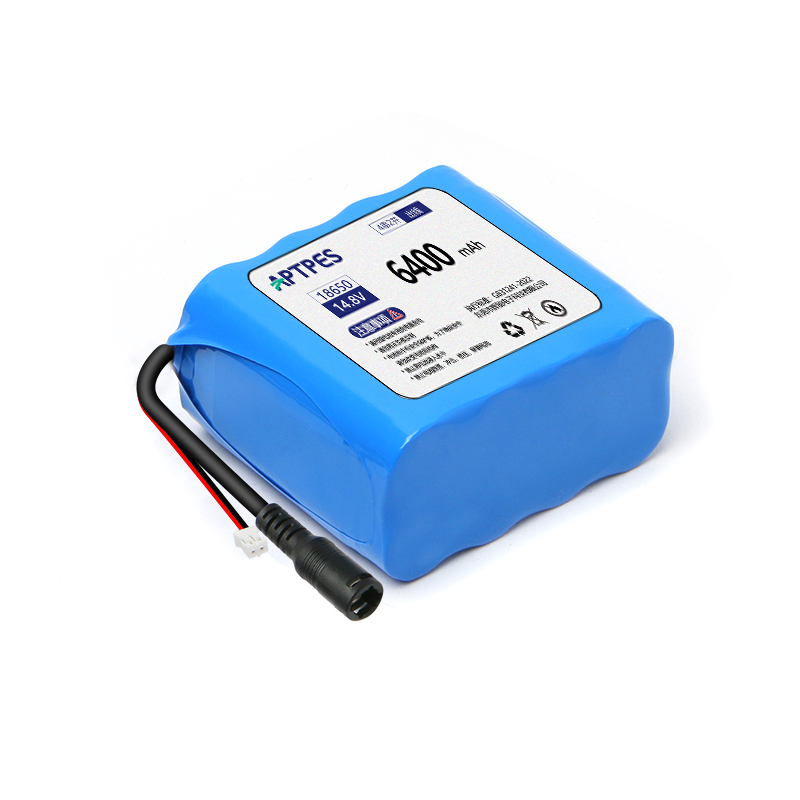
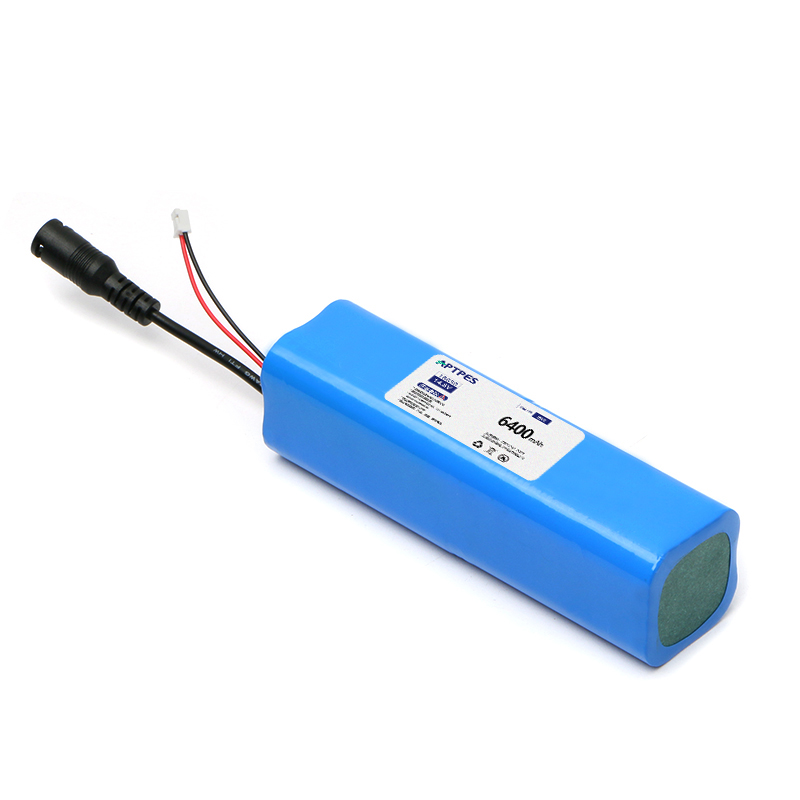
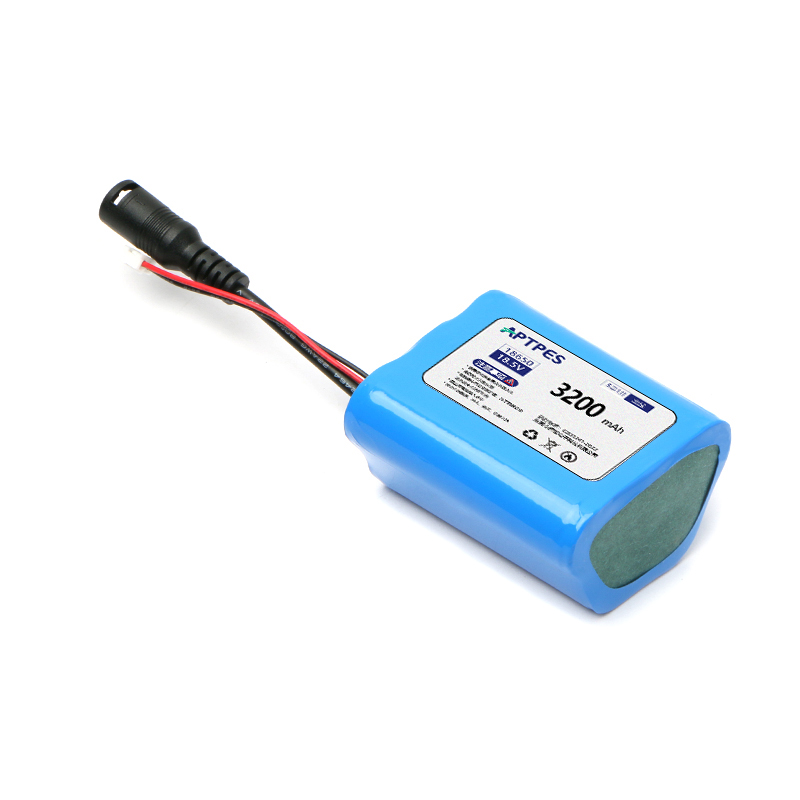
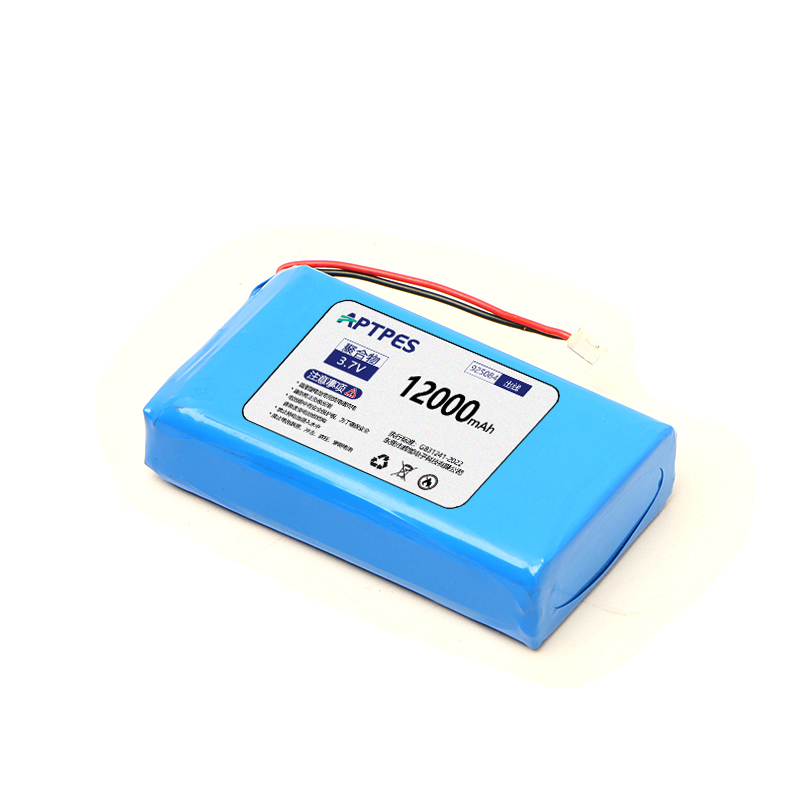
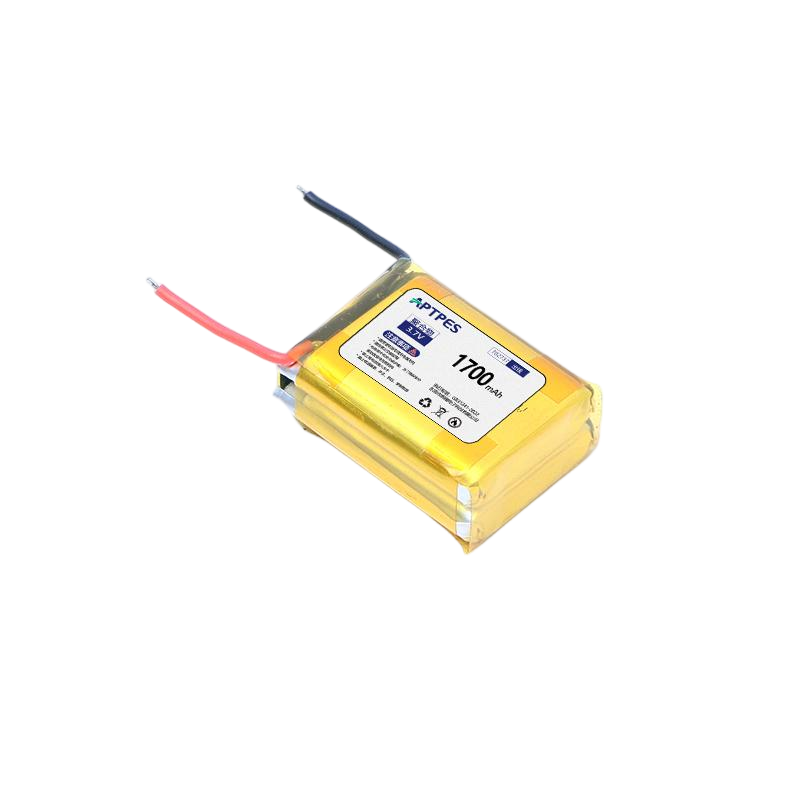
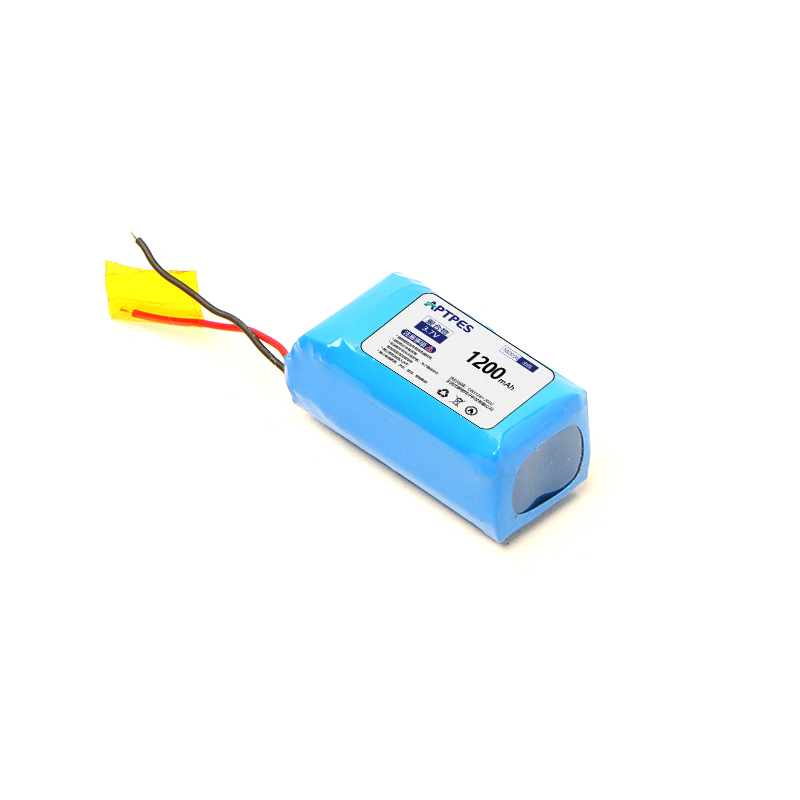
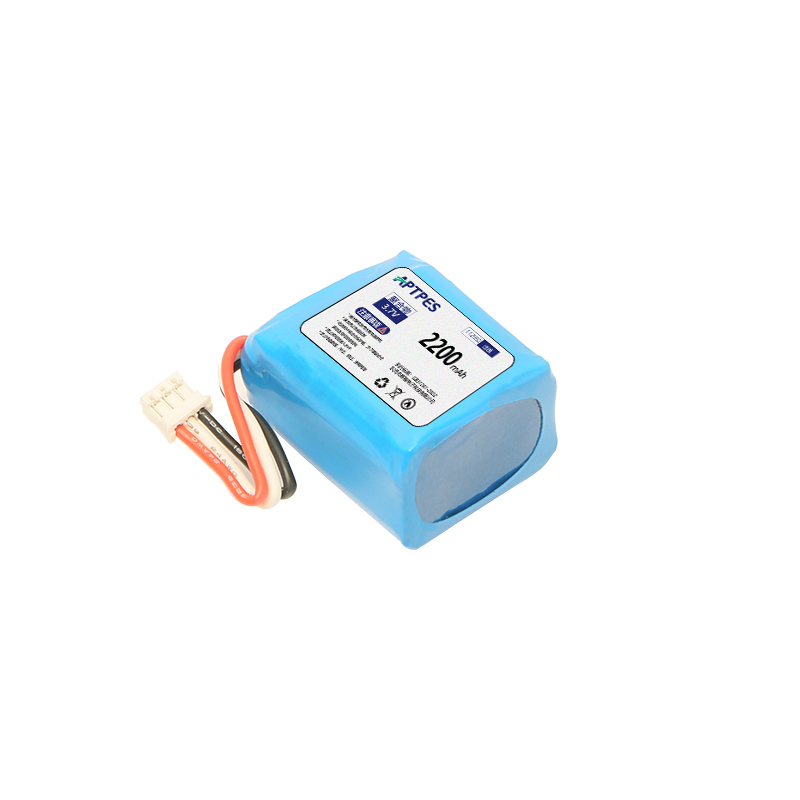
At APTPES, every pack we ship integrates a protection circuit module that guards against overcharge, over-discharge, overcurrent, and short circuits. Cells are aged and tested before assembly, and finished packs go through voltage, capacity, and internal resistance checks under our IQC/IPQC/OQC procedures.
The second problem is gradual capacity loss. Every charge cycle consumes a small amount of the cell's active material, so a battery that lasts eight hours when new may last only six after two years. High temperatures and deep discharges accelerate this fade. Buyers should therefore ask suppliers not only for initial capacity, but for cycle life data measured under conditions similar to the real application.
Lithium cells dislike extremes. Charging below freezing can cause lithium plating and permanent damage, while heat above 60°C accelerates aging and raises safety risks. Devices used outdoors, in vehicles, or near heat sources need cells and protection circuits selected for those conditions - a step that is often skipped when buyers choose batteries on price alone.
Because lithium batteries are classified as dangerous goods, shipping them internationally requires UN38.3 testing, MSDS documents, and compliant packaging. Many project delays we see come not from production but from missing transport paperwork. Working with a manufacturer that provides these documents with the shipment avoids customs problems later.
The biggest problem with lithium batteries is rarely the chemistry itself - it is the gap between a generic cell and a battery engineered for a specific device. Choosing the right cell type, protection circuit, and supplier with verifiable quality control solves most of the problems above before they appear. If you are evaluating batteries for a new device, our engineering team can help you match the specification to your application. Explore our lithium battery range to see what we build.